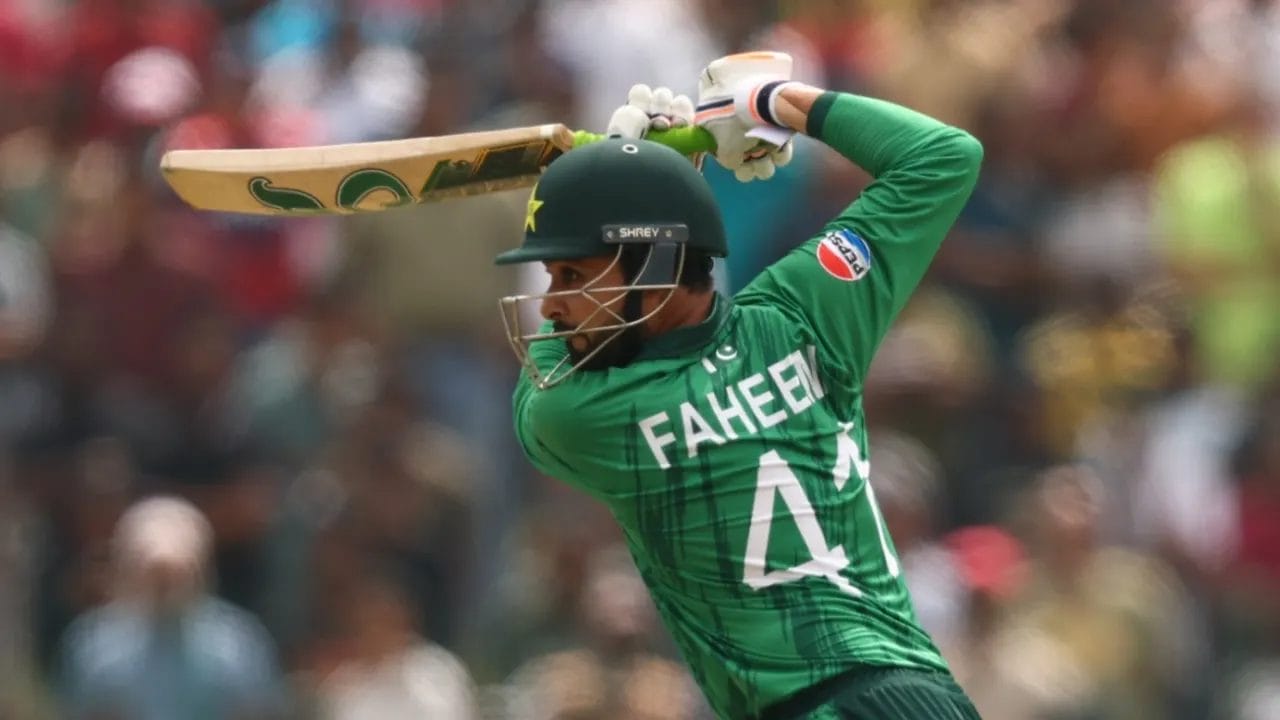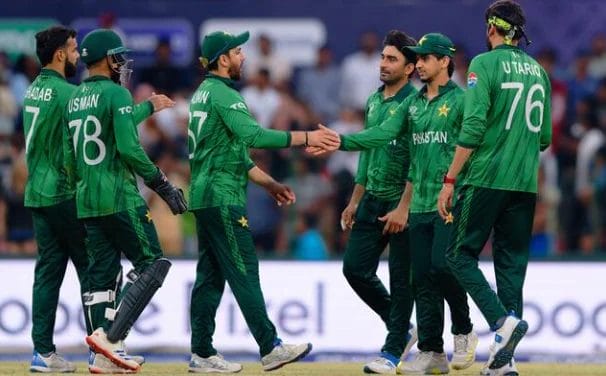

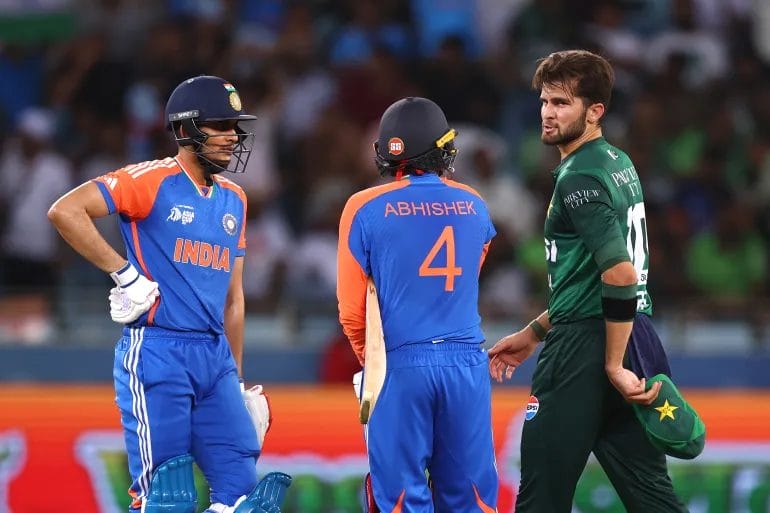
Cricket fans around the world are buzzing. Tensions are rising. Headlines are exploding. And once again, Pakistan vs India sits at the center of global cricket drama. This time, however, the debate goes beyond runs and wickets. The real question shaking the cricketing ecosystem is simple yet explosive:
👉 Can Pakistan face ICC sanctions for boycotting their India match in the 2026 T20 World Cup?
Let’s break this down, ball by ball, clause by clause, and emotion by emotion — while keeping it clear, engaging, and informative for fans, analysts, and search engines alike.
For live match reactions, expert opinions, and high-energy cricket podcasts, make sure you follow
👉 https://www.youtube.com/@ShahbazCheemaCricket
Why the Pakistan vs India Match Matters More Than Ever
There is no rivalry bigger than Pakistan vs India. It drives viewership, sponsorships, broadcasting revenue, and global attention. Therefore, when Pakistan publicly announced it would boycott the India game on February 15 in Colombo, the shockwaves were instant.
Why This Single Match Impacts Global Cricket
- Broadcasting contracts depend on India vs Pakistan
- ICC revenues spike during this fixture
- Sponsors plan campaigns around this clash
- Fans across continents tune in simultaneously
Because of this, the ICC sees this match not as “just another game,” but as a cornerstone of the tournament.
What Does the ICC’s Members Participation Agreement (MPA) Say?
To understand whether ICC sanctions on Pakistan are possible, we must look at the legal backbone of ICC tournaments: the Members Participation Agreement (MPA).
The Core Obligation Under the MPA
Every ICC member, including the Pakistan Cricket Board (PCB), signs a binding commitment stating that they will:
- Participate in ICC events they qualify for
- Play every scheduled match unconditionally
📌 This clause gives the ICC strong contractual authority.
If Pakistan refuses to play India, the ICC can legally argue that the PCB has breached its contractual obligations.
Can PCB Use Force Majeure as a Legal Defense?
This is where things get interesting — and complicated.
Understanding Force Majeure in ICC Events
Force Majeure refers to uncontrollable events such as:
- War or armed conflict
- Terrorism
- Natural disasters
- Government orders
Importantly, the MPA explicitly recognizes government directives as Force Majeure.
PCB’s Possible Argument
The PCB can argue:
- The boycott is based on a direct government instruction
- The PCB is legally bound to comply
- The situation is beyond cricketing control
However, there’s a catch — and it’s a big one.
Notification and Proof: Where PCB Must Be Careful
Force Majeure is not automatic. The PCB must:
- Formally notify the ICC in writing
- Submit documented proof of the government order
- Explain how and why it prevents participation
- Show efforts to reduce or mitigate impact
Without this, the ICC can challenge the legitimacy of the Force Majeure claim.
Can ICC Say: Play All Matches or Play None?
Here lies the legal grey zone.
ICC’s Potential Stand
The ICC may argue:
- Tournament participation is not divisible
- If Pakistan cannot play one match, it cannot fulfill the agreement
- Therefore, complete termination of participation becomes valid
PCB’s Counter-Argument
The PCB could respond:
- The Force Majeure is partial, not total
- Only one match is affected
- Tournament rules already define consequences for forfeits
- Sporting penalties should apply — not legal punishment
This tug-of-war could define the entire outcome.
Does Mohsin Naqvi’s Dual Role Complicate PCB’s Defense?
Yes — significantly.
Why This Matters
International sports law requires cricket boards to operate independently from governments. However:
- PCB Chairman Mohsin Naqvi is also a senior government minister
- ICC could argue government influence is internal, not external
- This may weaken the Force Majeure claim
ICC’s Possible Argument
- The situation is self-created
- The impact could have been mitigated
- The defense lacks independence and credibility
This factor alone could tilt legal opinion against Pakistan.
What About the Hybrid Model Precedent?
The ICC may point to recent history.
The India–Pakistan Hybrid Model Example
When India refused to travel to Pakistan:
- ICC arranged a hybrid hosting model
- Matches still happened
- Commercial interests were protected
Why This Hurts PCB’s Case
The ICC can argue:
- Political issues were already mitigated before
- A workable solution existed
- Total boycott becomes harder to justify
What If Pakistan Plays India in a Knockout Match Later?
This could severely weaken Pakistan’s position.
Why Consistency Is Key
- A government order cannot logically block only one stage
- Playing India later contradicts the boycott rationale
- ICC may view this as selective compliance
This scenario could seriously damage PCB’s legal credibility.
What Sanctions Can ICC Actually Impose on PCB?
Let’s be clear — sanctions are possible but layered.
Potential ICC Actions
- Match forfeiture (most likely)
- Financial penalties or damages
- Termination of participation rights
- Suspension of ICC membership (extreme case)
While suspension is unlikely, the threat alone is powerful leverage.
Do Past Boycotts Set Any Precedent?
Short answer: emotionally yes, legally no.
Why Past Cases Don’t Guarantee Safety
- Contracts and rules have evolved
- Each case depends on current agreements
- Moral precedent does not equal legal immunity
Therefore, historical examples offer context, not protection.
Final Verdict: Will ICC Sanction Pakistan?
Here’s the balanced reality:
✔ Yes, the ICC has the authority to sanction Pakistan
✔ Force Majeure gives PCB a possible — but fragile — defense
✔ Political overlap weakens Pakistan’s position
✔ A negotiated resolution remains the most likely outcome
Cricket, after all, thrives on competition — not confrontation.
Stay Ahead of the Game
This situation is evolving fast. Every statement, every meeting, and every legal interpretation could change the outcome.
🔥 For live match commentary, breaking cricket news, and unfiltered reactions, follow:
👉 https://www.youtube.com/@ShahbazCheemaCricket
Because in modern cricket, the drama off the field can be just as intense as the action on it.