

Cricket rarely stands still, and when politics, principles, and passion collide, the game instantly transforms into a global headline. The Pakistan boycott India match T20 World Cup 2026 decision has done exactly that. This is not just another fixture update—it is a defining moment that has triggered debates across dressing rooms, boardrooms, and fan zones worldwide.
As the cricketing world watches closely, Pakistan’s stance has added heat, intensity, and emotion to an already explosive tournament narrative.
A Clear Message from Pakistan’s Leadership
Pakistan’s Prime Minister Shehbaz Sharif has finally broken the silence, delivering clarity on why the Pakistan boycott India match T20 World Cup 2026 decision was taken. Speaking openly, he emphasized that sport should remain free from political influence and that Pakistan’s position reflects solidarity rather than hostility.
This statement marks the first official confirmation from Pakistan’s top leadership regarding the reasons behind the boycott. Consequently, it has reshaped how fans, analysts, and administrators interpret the move.
Standing for Principles, Not Provocation
At the heart of the Pakistan boycott India match T20 World Cup 2026 lies a principle-driven stance. According to Pakistan’s leadership:
- Cricket must stay above politics
- Equal treatment of nations is non-negotiable
- Solidarity with Bangladesh is a moral obligation
Rather than escalating tensions, Pakistan has framed the decision as a stand for fairness. Therefore, the message resonates beyond borders and speaks directly to the integrity of international cricket.
Why Bangladesh Is Central to This Decision
To understand the Pakistan boycott India match T20 World Cup 2026, one must look at Bangladesh’s removal from the tournament. Bangladesh’s government declined to send the team to India due to security concerns and proposed playing matches in Sri Lanka instead.
However, the ICC rejected this compromise and replaced Bangladesh with Scotland—a decision that raised eyebrows across the cricketing community.
A Question of Fairness in Global Cricket
Pakistan’s leadership believes Bangladesh was treated unfairly. From Pakistan’s perspective:
- Security concerns were ignored
- Alternative venues were dismissed
- A full-member nation was sidelined
As a result, the Pakistan boycott India match T20 World Cup 2026 became a symbolic protest against what officials described as “double standards” in international cricket governance.
ICC’s Reaction and Growing Pressure on PCB
Shortly after Pakistan’s announcement, the ICC responded with caution and concern. The governing body warned that such actions could have long-term consequences for Pakistan cricket and the global ecosystem.
Yet, notably, the Pakistan Cricket Board (PCB) has maintained silence publicly, keeping fans guessing about behind-the-scenes negotiations.
Will Sanctions Follow?
The big question surrounding the Pakistan boycott India match T20 World Cup 2026 is whether the ICC will impose sanctions. While no official penalty has been announced:
- Discussions are reportedly ongoing
- Diplomatic channels remain open
- Stakeholder interests are under review
For now, uncertainty fuels speculation, adding another layer of drama to the tournament buildup.
Double Standards: The Argument That Sparked the Storm
PCB chairman Mohsin Naqvi has openly criticized what he calls the ICC’s inconsistent policies. He pointed to a recent example where India declined to travel to Pakistan for a major tournament, yet faced no comparable consequences.
This comparison has strengthened Pakistan’s justification for the Pakistan boycott India match T20 World Cup 2026, reinforcing claims of unequal enforcement.
A Stand That Echoes Across Boards
From Pakistan’s viewpoint:
- Rules must apply equally
- Power dynamics should not override fairness
- Member boards deserve respect
Therefore, this boycott is not just about one match—it is about redefining balance in international cricket.
What This Means for the T20 World Cup 2026
The Pakistan boycott India match T20 World Cup 2026 has instantly become one of the most talked-about developments of the tournament. Fans expected fireworks on the field; instead, the sparks ignited off it.
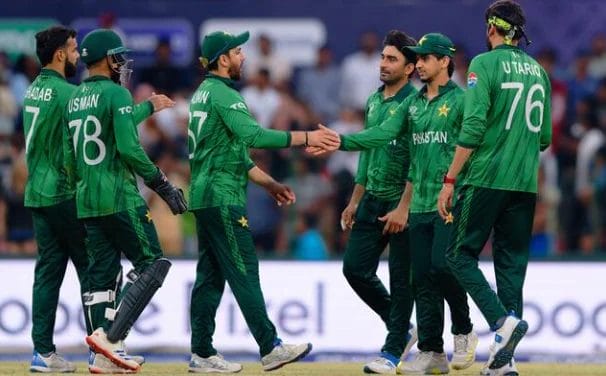
While Pakistan will continue participating in the World Cup, the absence of the marquee clash reshapes group dynamics, broadcast expectations, and fan engagement worldwide.
Fans, Emotions, and the Bigger Picture
Cricket fans feel divided:
- Some praise Pakistan’s principled stand
- Others worry about cricket losing iconic rivalries
- Many simply want transparency and consistency
No matter the opinion, the decision has ensured that this World Cup will be remembered long after the final ball is bowled.
Final Thoughts: More Than a Match, A Moment in History
The Pakistan boycott India match T20 World Cup 2026 is not a spontaneous reaction—it is a calculated statement rooted in fairness, solidarity, and long-term vision. Whether history judges it as a turning point or a controversy, one thing remains certain: global cricket has entered a new conversation.
As the tournament unfolds, every development will be watched closely, dissected passionately, and debated endlessly.
🔥 For live match reactions, sharp cricket analysis, and unfiltered podcasts, stay connected with Shahbaz Cheema Cricket on YouTube:
👉 https://www.youtube.com/@ShahbazCheemaCricket
Because when cricket makes headlines, that’s where the real conversation continues. 🏏🔥